Engineered Wood Flooring Prices: What Should You Expect to Pay?
Most people search engineered wood flooring prices expecting one clean number. The reality is messier, the range runs from around £20 per square metre to well over £80, and knowing why that gap exists will stop you from either overspending or ending up with a floor that gives out in three years.
What you pay reflects species, construction quality, board dimensions, and fitting costs. Here are five factors that shape what you'll actually spend.
The Base Cost Per Square Metre
Entry-level boards sit around £20 to £30 per square metre for standard oak. Mid-range products generally fall between £35 and £55, and premium boards in wider widths or less common species can push past £70. These figures cover materials only. If you're shopping for durable engineered wood flooring, you'll notice that the £40 to £60 bracket tends to hit the sweet spot between build quality and longevity for most domestic rooms. Species desirability, the number of plywood layers, and overall board thickness all feed into that base figure. Thicker boards, usually 14 mm to 20 mm, consume more raw material and carry a higher price as a result. A 12 mm board may look identical in photographs, but it'll feel different underfoot and won't tolerate as many refinishes over its lifetime.
How Species and Grade Affect the Starting Figure
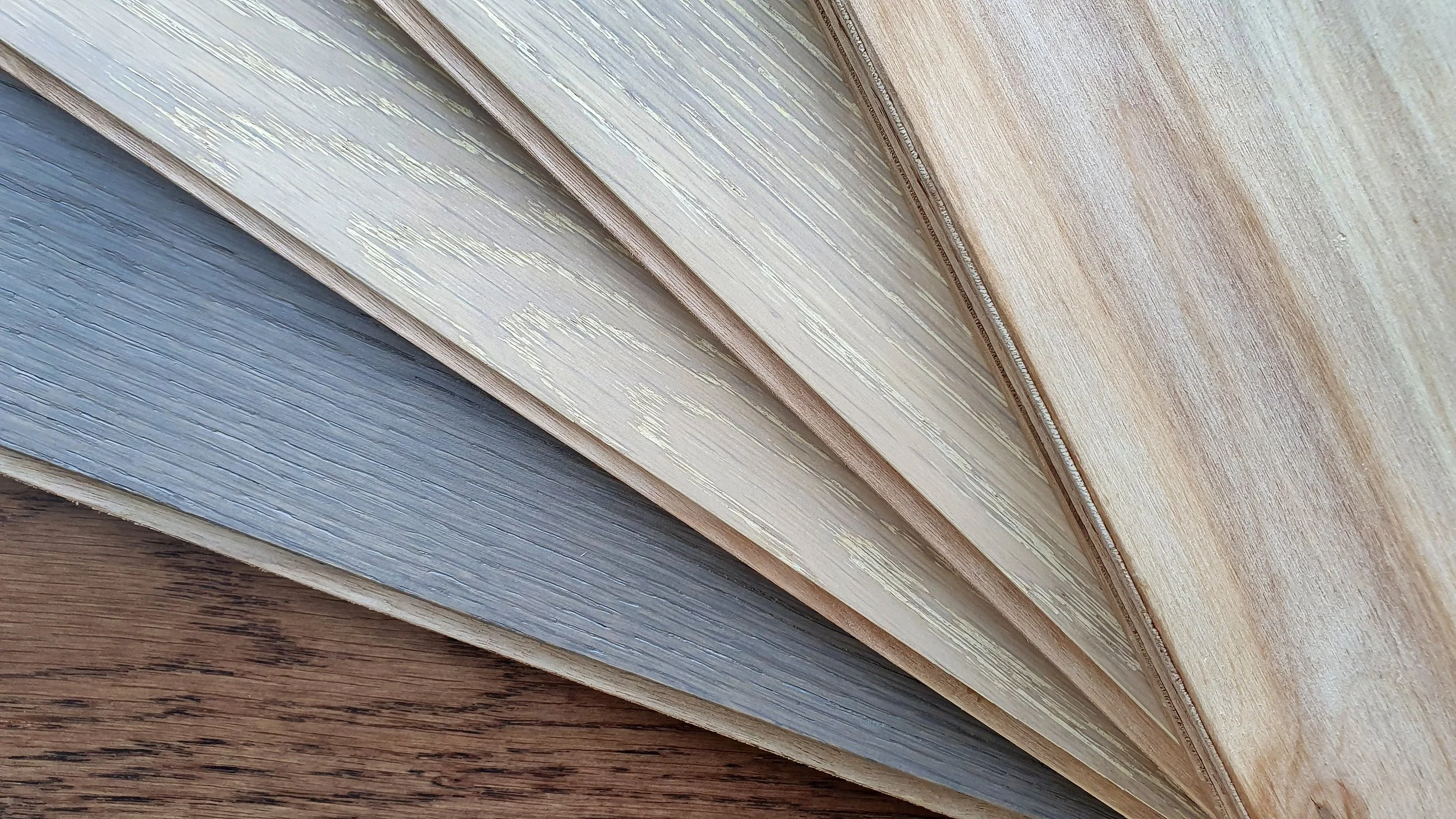
Species choice is one of the biggest variables in engineered wood flooring prices. Oak is the most common in the UK market, and because it's widely available, it stays competitively priced. Walnut, ash, and smoked or fumed finishes carry a premium, sometimes 20 to 40 per cent above comparable oak boards. Grade matters too. Prime grade boards show tight, uniform grain with minimal knots, which demands careful timber selection and pushes costs up. Rustic or character grade boards embrace natural variation, knots, and colour movement; they're generally more affordable. Neither is inherently better, the choice is really about the look you're after. Smoked, brushed, or UV-oiled finishes add to production costs and show up in the per-square-metre rate, often by £5 to £15.
Wear Layer Thickness and Long-Term Value
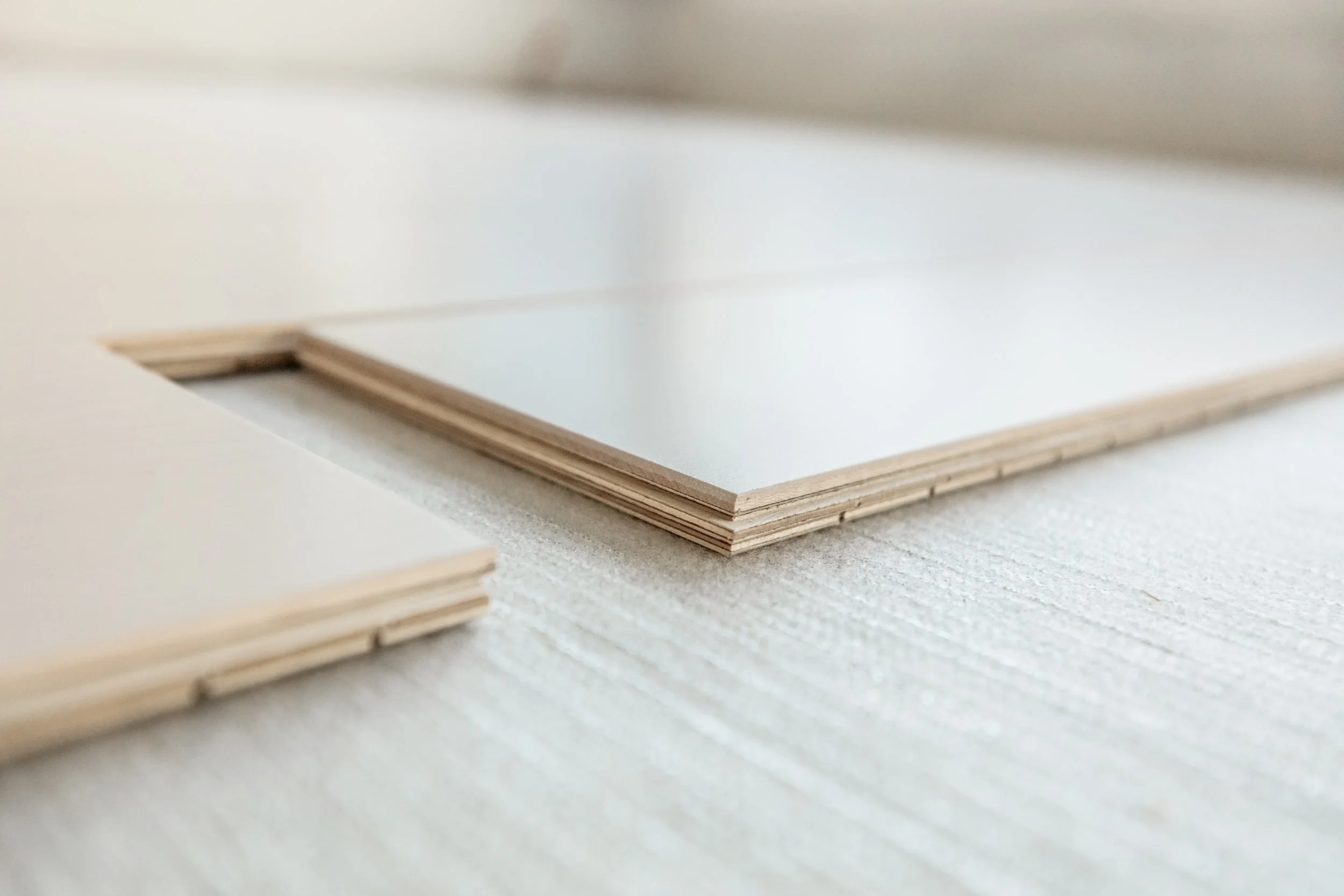
The wear layer is the real hardwood veneer sitting on top of the engineered core, and its thickness determines how many times you can sand and refinish the floor across its lifespan. Budget boards often carry a 2 mm to 3 mm wear layer. Mid-range products typically offer 3.6 mm to 4 mm; premium boards can reach 6 mm or more. A thicker wear layer extends the floor's functional life by decades, it's one of the clearest signals of genuine long-term value when you're weighing up prices.
What a Thicker Wear Layer Actually Costs You
Expect to pay roughly £10 to £20 more per square metre for boards with a 4 mm or thicker wear layer compared to a 2 mm equivalent in the same species and finish. Across a 20 m² room, that's £200 to £400 extra upfront. But a 2 mm wear layer can typically take only one light sanding, whereas a 6 mm layer might tolerate three or four full refinishes. Professional refinishing runs between £15 and £25 per square metre, so the premium board often works out cheaper across the floor's full lifespan; the maths genuinely do stack up over time. If you're laying in a hallway or open-plan space with heavy foot traffic, spending more on wear layer depth is one of the more defensible calls you can make.
Board Width and Profile Options
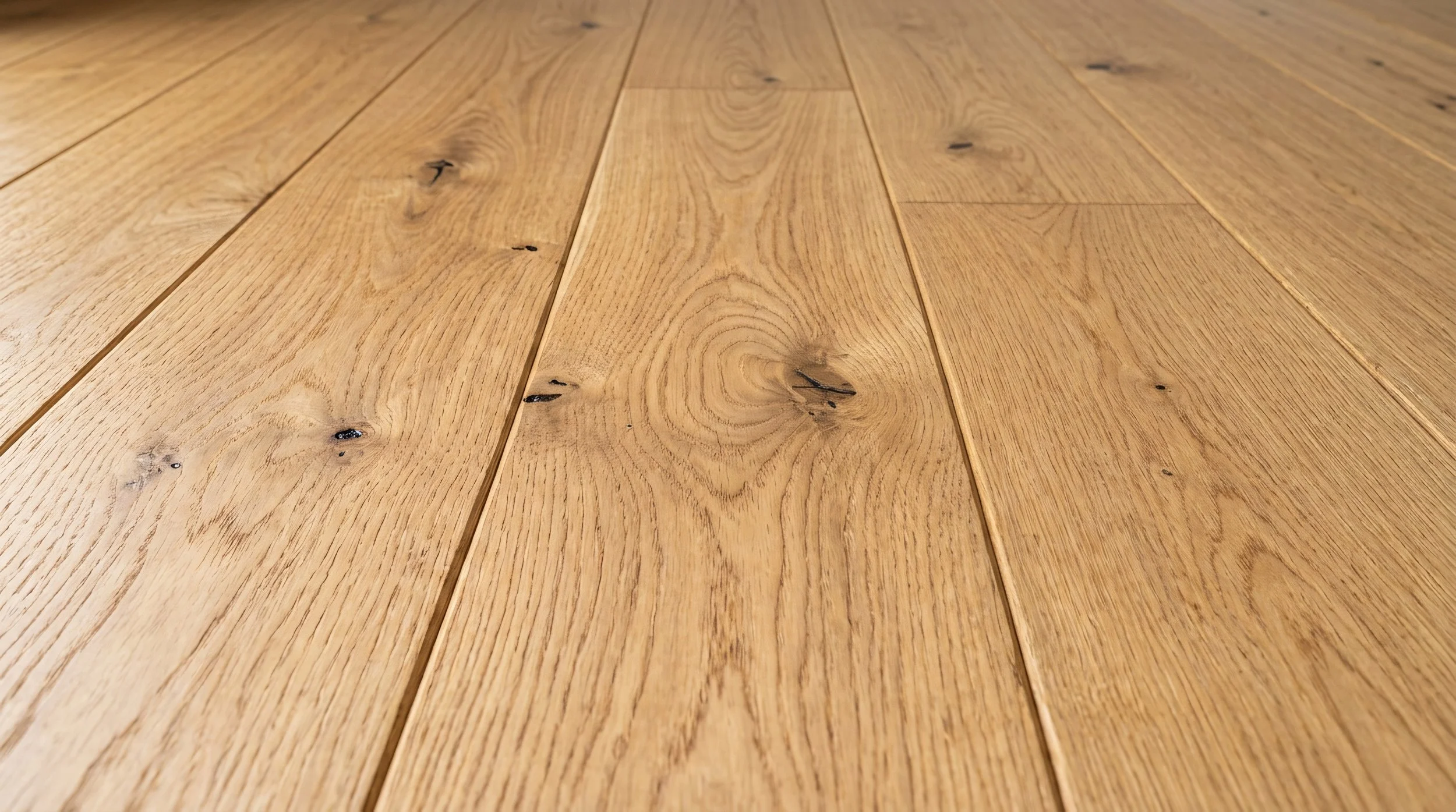
Narrow boards, typically 90 mm to 120 mm wide, are the most affordable format and suit traditional or period-style interiors well. Wider boards, from 150 mm to 220 mm, cost consistently more because they need larger, higher-quality timber sections to come out without visible defects. A standard 120 mm oak board might retail at £35 per square metre, while a 180 mm board in the same species and finish could sit at £50 or above. The visual difference is real, especially in larger rooms; fewer joints across the floor creates a noticeably more open feel. Herringbone and chevron parquet patterns carry a further premium in both material cost and installation labour.
Rustic vs. Prime Grade at Different Widths
Wider boards in prime grade sit at the expensive end of the market, and there's a straightforward reason for that. Sourcing large timber sections with tight, uniform grain is genuinely difficult to do at scale. A 200 mm prime-grade oak board can retail between £65 and £90 per square metre. The same width in rustic grade, embracing knots and natural variation, often lands 15 to 25 per cent lower. Honestly, for many buyers that's the smart move: the visual impact of a broad plank without the cost that comes with defect-free selection.
Underfloor Heating Compatibility
Not every engineered board works with underfloor heating, and those that do are built to a different spec. Boards intended for UFH need a stable multi-layer core, a moisture-resistant adhesive bond between layers, and specific thickness tolerances that let heat transfer through without pushing the wood to expand and contract excessively. These boards typically cost £5 to £15 more per square metre than standard alternatives in the same species and finish.
So if you're planning a UFH installation, that price difference isn't a marketing premium, it reflects real differences in how the board is put together.
Adhesive vs. Floating Installations with UFH
UFH-compatible boards are almost always laid using a full-spread adhesive method rather than a floating click system. Adhesive installation needs more preparation time and a compatible wood flooring adhesive, which runs around £30 to £50 per tub, each covering roughly 4 m² to 6 m². That adds up across a full room. Floating installations are faster and cheaper to fit, but they're generally not recommended over underfloor heating; the airspace beneath the boards can reduce heat transfer and increase moisture-related movement. Budget for adhesive, primer, and additional subfloor preparation from the start if UFH is part of your project.
Professional Installation and Labour Costs
Materials are only part of the engineered wood flooring prices picture. Professional installation in the UK typically runs between £15 and £30 per square metre for a standard floating fit. Adhesive-down installations, herringbone, and chevron patterns attract higher day rates because they take longer to set out and get right. Most installers charge a minimum call-out fee too, which can make smaller rooms feel disproportionately expensive.
Subfloor Prep, Underlay, and Removal
Here's the thing, subfloor levelling is one of the most consistently underestimated costs in any flooring project. Self-levelling compound runs from £8 to £20 per square metre depending on depth, and an uneven subfloor can add £200 to £600 to a mid-sized job. Underlay, which isn't needed for adhesive-down installations, costs between £2 and £8 per square metre. Removing an existing floor means factoring in skip hire or a disposal charge of £50 to £150. Pull it all together and total project costs for a 25 m² room can comfortably reach £2,000 to £3,500 for mid-range materials with professional fitting.
Conclusion
Engineered wood flooring prices span a genuinely wide range, and those differences reflect real variations in construction quality, species, wear layer depth, and installation method. A budget board at £25 per square metre and a premium board at £70 aren't the same product wearing a different price tag. For most homes, the £35 to £55 range delivers solid performance without unnecessary outlay. Get three installation quotes, account for subfloor preparation costs, and treat wear layer thickness as seriously as you'd treat the surface finish, because in the long run, it matters just as much.