How to support your body before, during and after pregnancy
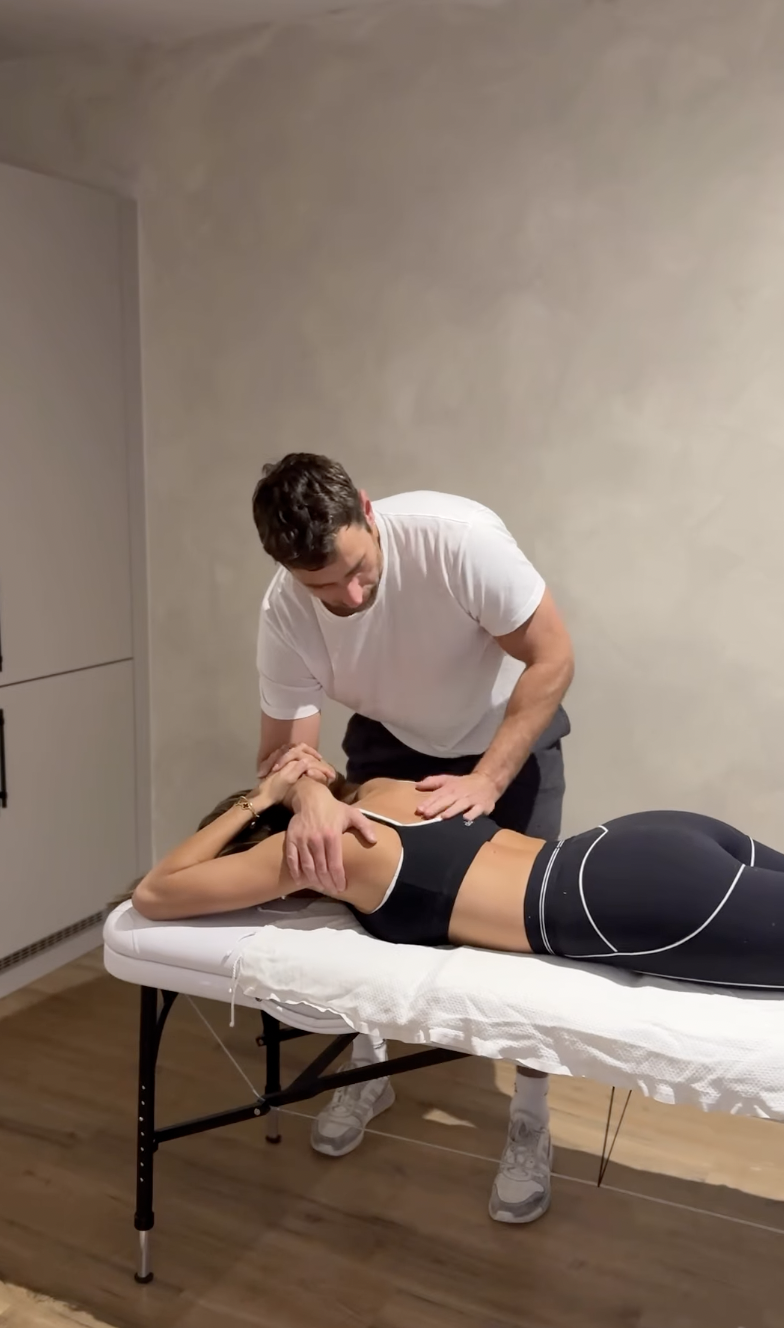
Pregnancy and the postnatal months bring extraordinary periods of physical and emotional change. They also bring a dramatic shift in how much time, energy and opportunity you have to exercise. Xander Evitts has worked with women at all stages of their pregnancies to manage their physical health and below he shares five of his top tips and insights for women looking to support their bodies during pregnancy and beyond.
Build your strength and fitness before pregnancy so you’re better equipped to cope with the inevitable reduction in training during and after birth.
It’s not about aesthetic goals or pushing yourself harder - it’s about creating a level of physical resilience that carries you through the rigours of pregnancy, through delivery, and into the demanding, sleep-deprived months that follow. The truth is, during pregnancy you’re unlikely to make fitness ‘gains’ and the goal is to maintain what you can, minimise deconditioning, and protect your long-term wellbeing.
Below are five evidence-informed strategies to support your body at every stage: pre-pregnancy, antenatal and postnatal.
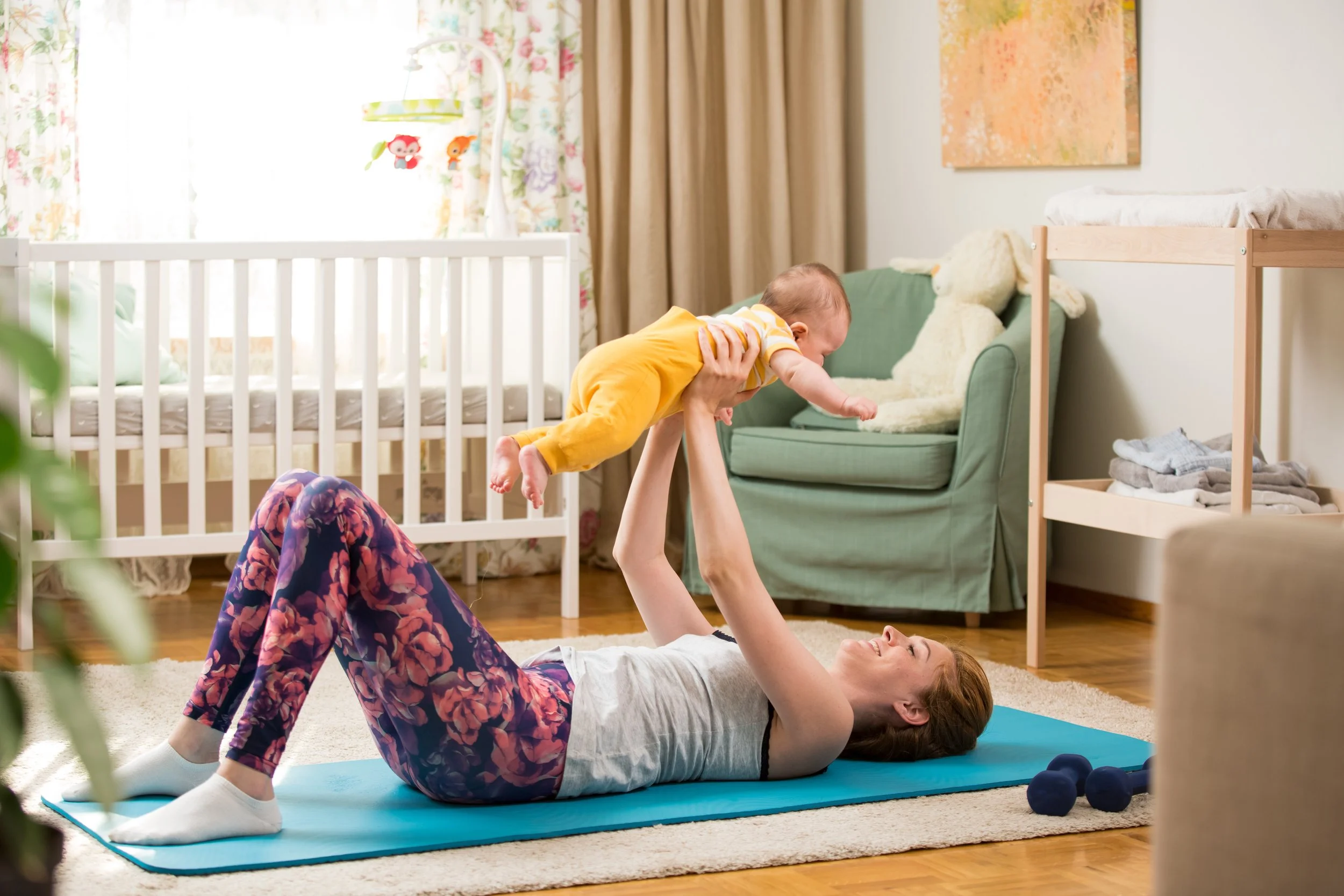
1. Build Your Baseline Strength Before Pregnancy (bank your fitness)
Pregnancy is a temporary but inevitable shift away from structured training. Energy fluctuates, nausea may appear, sleep becomes disrupted, and your biomechanics change significantly as your baby grows. This means the physiological environment for building fitness simply isn’t the same.
By strengthening your body before pregnancy or in the early stages, you increase tissue tolerance, improve posture, and prepare your body for labour and for the physical tasks that come afterwards… from feeding positions to repetitive lifting, to simply carrying your baby around the house.
Think of it as ‘prehab’ - you are building resilience now to cope with the demands that will come later.
2. During Pregnancy, Focus on Maintenance - Not Progress
Once you’re into your pregnancy, the shift is from performance to preservation. Hormonal changes during pregnancy naturally loosen the ligaments that support your joints, which can make them feel a little less stable than usual. Fatigue, appetite fluctuations and emotional shifts all affect how consistent you can be with exercise. This is normal.
Rather than chasing personal bests, the goal is to move often, stay strong in key patterns, and avoid excessive deconditioning. A blend of strength training, moderate cardio, and mobility practice supports circulation, sleep quality, metabolic health and mood. If you are able- to hire a trainer who has experience with pre and post pregnancy training, it’s always good to build a support network around you to motivate you and inform you throughout.
3. Prioritise Strength That Supports Real Life (Not Aesthetics)
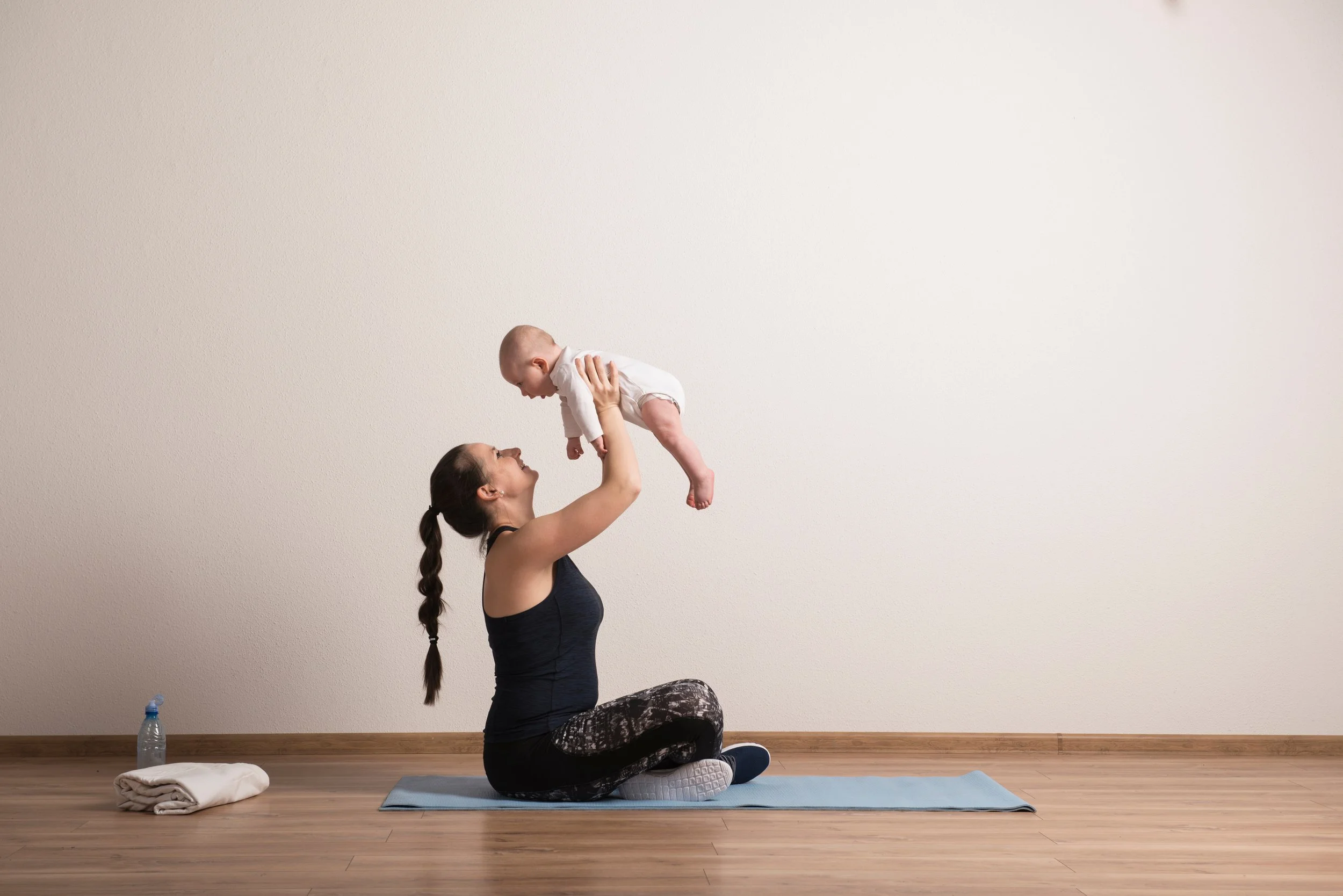
Pregnancy and early motherhood both place unique mechanical loads on the body. The most helpful exercises are those that prepare you for the real tasks ahead.
Helpful categories to focus on include:
Glute strength (e.g., hip hinges, bridges) to support pelvic stability
Upper back and arm strength (rows, carries) to balance the “holding baby” posture
Deep core endurance using 360° breathing and pressure management
Squat and hinge variations to help you lift safely from the floor
You don’t need a complex exercise regime - just consistency in simple, well-executed movements.
4. Breathwork and Core Mechanics: Small Effort, Big Return
Breathwork is one of the most overlooked tools in antenatal and postnatal care. As your rib cage widens, diaphragm mechanics shift, and your centre of mass changes, learning to manage pressure becomes crucial for both comfort and long-term pelvic health.
360° breathing practices help to:
Improve pelvic floor coordination
Reduce rib and low back discomfort
Support postural control
Assist recovery after delivery
It’s accessible even on low-energy days and can make a meaningful difference across trimesters.
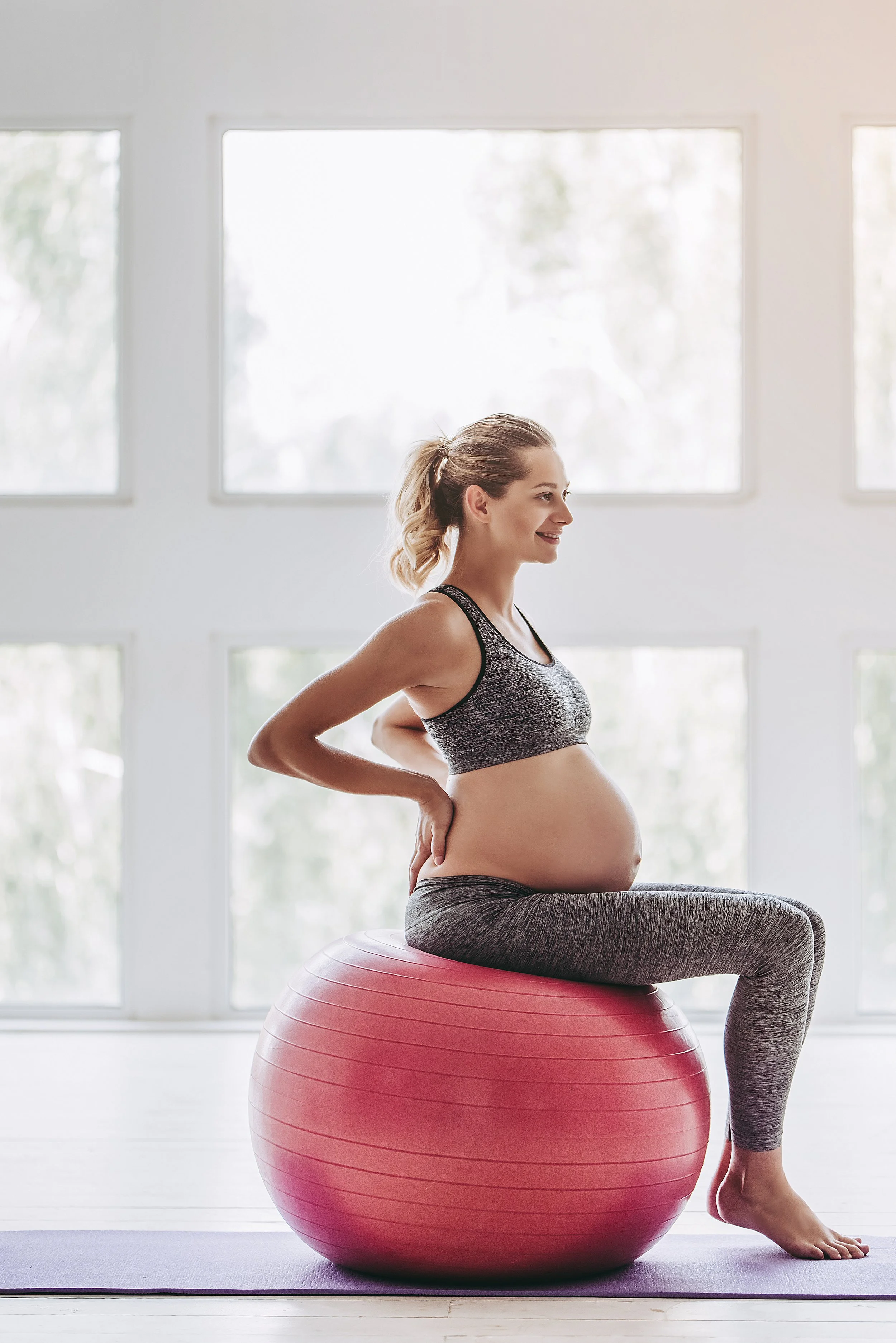

5. Prepare for the Postnatal Dip - The Phase That Catches Many Off Guard
After your baby arrives, even a straightforward birth introduces a period of reduced sleep, increased mental load, and a dramatic shift in your routine. Structured training often becomes secondary - not because you don’t want to exercise, but because the demands of early motherhood are all-consuming.
This is where your earlier strengthening becomes invaluable.
If you’ve built a solid baseline and maintained what you can during pregnancy, you will recover faster, tolerate daily demands with less strain, and reduce your risk of musculoskeletal issues.
6. Know Where to Find Trustworthy Information (NICE Guidelines)
The National Institute for Health and Care Excellence (NICE) provides the UK’s gold-standard, evidence-based recommendations for antenatal and postnatal care. These guidelines underpin practice across the NHS, and are woman-centred, research-driven and frequently updated.
If you’re ever unsure about what’s safe or appropriate at different stages of pregnancy, NICE is one of the most reliable sources available - far more consistent than anecdotal advice or social media commentary.
It’s also worth checking your local NHS Trust, as each one may offer its own resources, support networks and postnatal services.
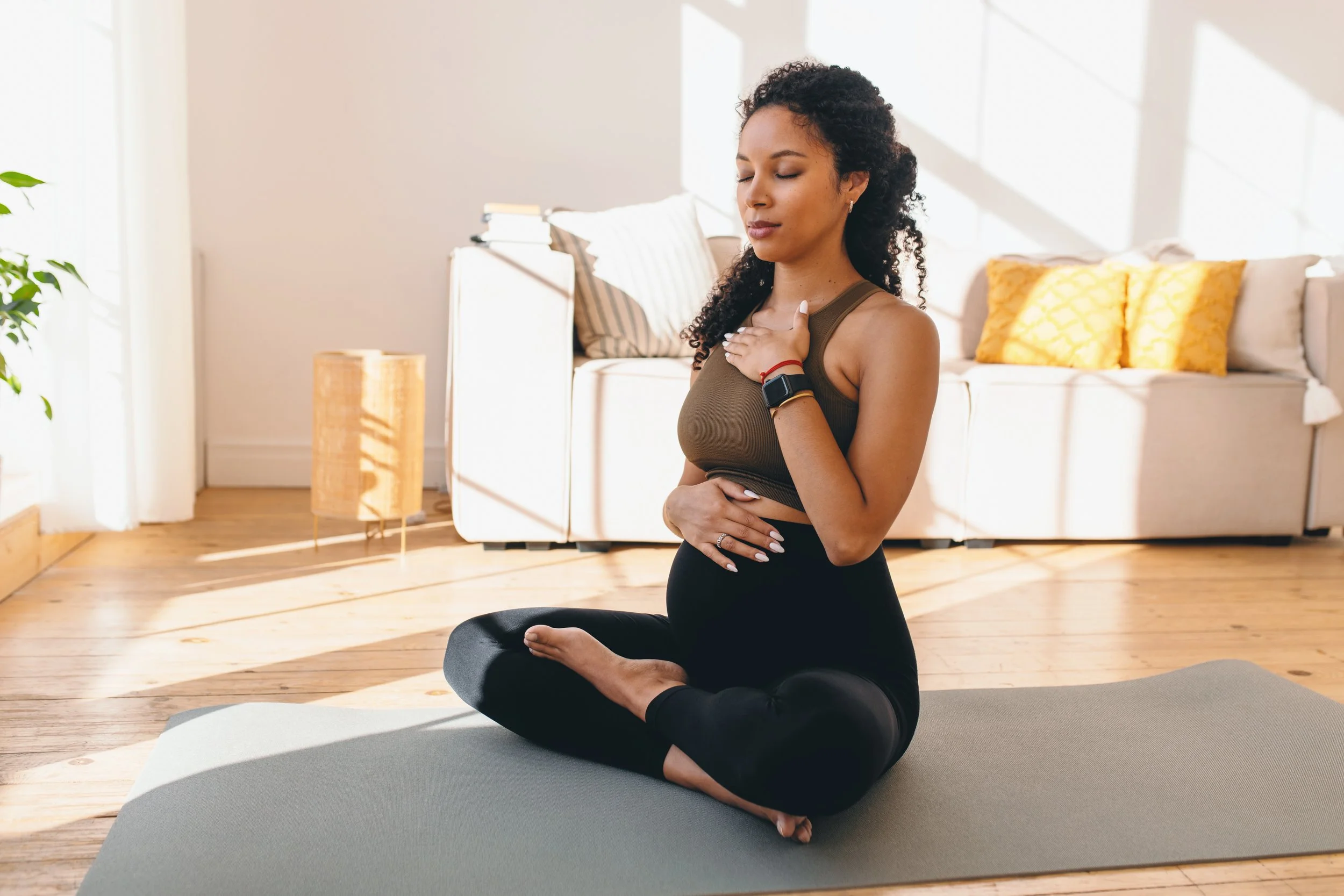
Five Things Every Pregnant or Postnatal Woman Should Remember
1. Build strength early - it’s your buffer against future fatigue and deconditioning.
2. During pregnancy, aim for maintenance, not performance.
3. Prioritise functional movements you’ll use daily as a new mum.
4. Use breathwork to support core and pelvic floor function.
5. Rely on evidence-based sources like NICE - not hearsay.
Pregnancy is not a time to strive for personal bests or push harder - but nor is it a time to stop moving. By entering pregnancy strong, adapting your training with intention, and supporting your body through breathwork and functional strength, you set yourself up for a smoother pregnancy and a more resilient postnatal experience.
Visit Xander Evitts website here
References
American College of Obstetricians and Gynecologists (ACOG) (2020) Physical Activity and Exercise During Pregnancy and the Postpartum Period. ACOG Committee Opinion No. 804. Obstetrics & Gynecology, 135(4), pp. e178–e188.
Barakat, R., Perales, M., López, C., Coterón, J. and Mottola, M.F. (2015) ‘Exercise during pregnancy: a narrative review asking what do we know?’, British Journal of Sports Medicine, 49(21), pp. 1377–1381.
Bø, K. and Hilde, G. (2013) ‘Does it work in the long term? A systematic review on pelvic floor muscle training for female stress urinary incontinence’, British Journal of Sports Medicine, 47(2), pp. 107–116.
Davenport, M.H., Ruchat, S.M., Sobierajski, F., et al. (2018) ‘Prenatal exercise for the prevention of gestational diabetes mellitus and hypertensive disorders of pregnancy: a systematic review and meta-analysis’, British Journal of Sports Medicine, 52(21), pp. 1367–1375.
Davenport, M.H., Ruchat, S.M., Poitras, V.J., et al. (2019) ‘Impact of prenatal exercise on maternal harms, labour and delivery outcomes: a systematic review and meta-analysis’, British Journal of Sports Medicine, 53(2), pp. 99–107.
Mottola, M.F. et al. (2019) ‘2019 Canadian guideline for physical activity throughout pregnancy’, British Journal of Sports Medicine, 52(21), pp. 1339–1346.
National Institute for Health and Care Excellence (NICE) (2021) Antenatal Care. Available at: https://www.nice.org.uk/guidance/ng201 (Accessed: 11/12/2025).
National Institute for Health and Care Excellence (NICE) (2021) Postnatal Care. Available at: https://www.nice.org.uk/guidance/ng194 (Accessed: 11/12/2025).
World Health Organization (WHO) (2020) WHO Guidelines on Physical Activity and Sedentary Behaviour. Geneva: World Health Organization.