Ten Minutes With Ben Humphrey, Co-Founder at Sayph
Introduce yourself and tell us a little about Sayph.
“I’m Ben Humphrey, dad to three children and a co-founder of Sayph. Like many parents, I'm figuring this out as I go, and have spent years thinking about the question of when to give a child a phone.
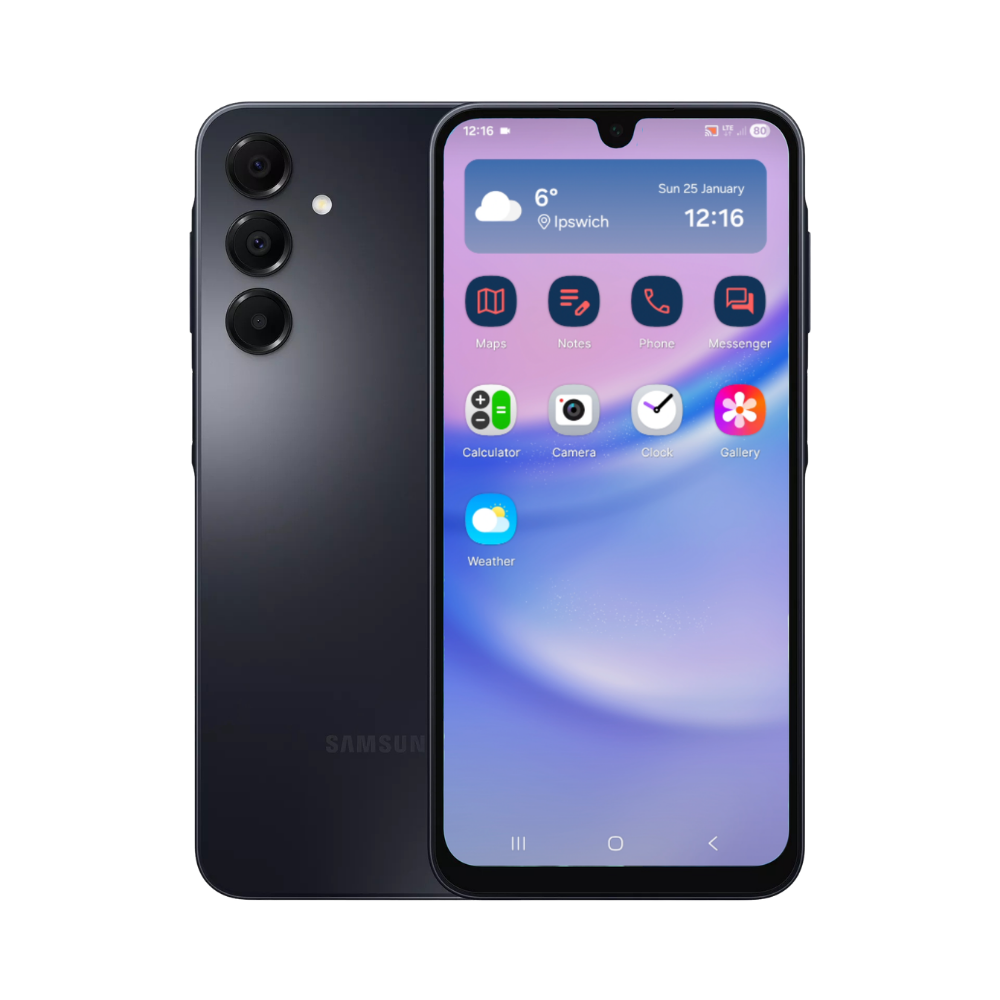
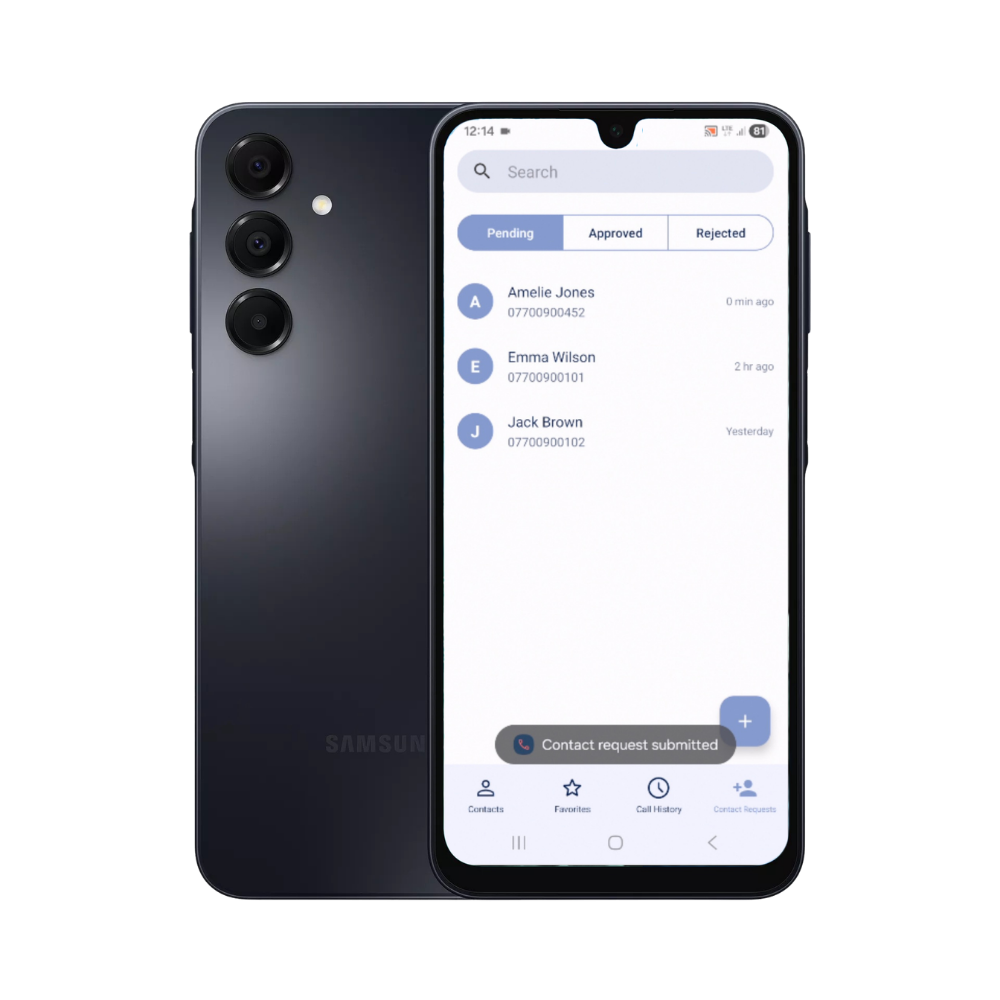
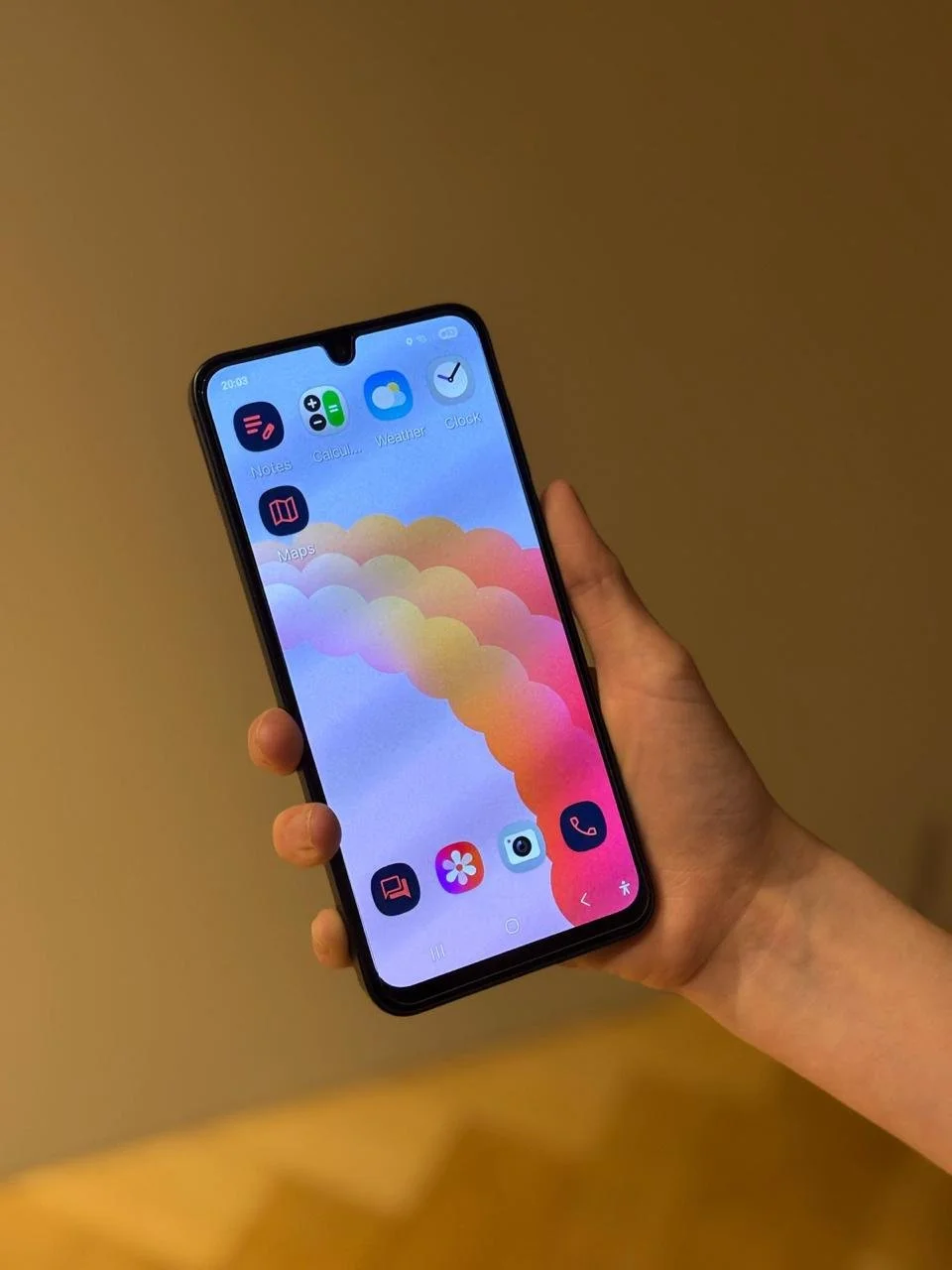
“We started Sayph because parents deserve a better choice than two extreme options: a basic 'dumbphone' that doesn't meet a modern family's needs, or a full smartphone packed with adult pressures, distractions, and risks. We built a device genuinely designed around childhood, giving kids the independence of messaging, maps, music, and calls, without social media, addictive algorithms, or unrestricted internet.
“Ultimately, our goal is simple: help families stay connected without asking children to grow up too quickly.”

What was missing in the children's tech space that led you here?
“My co-founder, Ami, and I both have children aged 9 and 12. As they've grown up, we've been dreading the moment we'd have to give them a smartphone, because we've seen what often happens when children suddenly have an addictive device in their pocket. As the transition to secondary school approached, we couldn't see anyone really solving the problem, or calling the situation for what it was, until the Smartphone Free Childhood movement came along. We knew we could do better for our children, so we set out to build the phone we wished had existed.
“When children are young, we design products specifically for them. They have children's books, children's bikes, children's clothing and children's toys. In the last 15 years, huge strides have been made with smart devices, yet very few people have been asking what impact all this screen use has on developing minds. We've just embraced the new status quo, and equipped our children with what they need to join it.
“With phones, we're starting with a device designed by and for adults, then layering parental controls over the top and calling it a children's phone. Not only does this create work for parents to stay on top of it all, I don't believe that time-limiting exposure to algorithmic feeds of user-generated content is enough to protect young people. When the device itself is built around engagement, notifications and app ecosystems that simply weren't designed with children in mind, putting some filters on it isn't going to plaster over the cracks.
“That's when we realised children don't deserve a stripped-back version of adult technology - they deserve technology designed specifically for childhood.”
You've said children deserve their own category of technology. What does that look like in practice?
“Instead of asking, "How can we make an adult smartphone slightly safer?", we should ask, "What does a child actually need from this technology?" Children need to be able to contact the people who matter. They need maps when they're travelling independently. They enjoy taking photos, listening to music and learning responsibility through owning a device. They don't need endless algorithmic feeds, anonymous messaging, app stores full of adult content, or products designed to maximise screen time.
“Children's technology should support healthy development, gradually giving them more independence as they mature, rather than encouraging them to spend as much time as possible staring at a screen. I think we'll eventually look back and wonder why we ever thought children should simply inherit technology built for adults.”
The Government's new social media ban for under-16s has been in the headlines recently. What's your take, and where do you think the conversation needs to go next?
“I think it's an important step because it recognises that something isn't working. But I also don't think it can be the end of the conversation. The challenge isn't just social media. It's that we've built an entire technology ecosystem that wasn't designed around children's needs. Even if social media disappeared tomorrow, many of the pressures around addictive design, constant notifications and unrestricted internet access would remain.
“Rather than asking, "How do we stop children accessing adult technology?", I'd like us to start asking, "What should children's technology actually look like?" I also think we need to look at incentives. Much of today's technology is designed to monetise attention. I'd argue that's not especially good for adults, and it's even more problematic for young people whose brains are still developing.
“Starting from this position would move us away from simply banning things, which some people will always oppose, towards building better alternatives that actually benefit the families that use them.”
What are your tips for parents who want to balance giving children independence and connection while also keeping them safe?
First, remember you have choices: A child’s first phone doesn't have to be the exact same device an adult carries.
Focus on the purpose: If your child is starting to walk to school alone or stay home for short stretches, they need a reliable way to reach you, not unlimited entertainment in their pocket.
Look closely at everyday apps: Don't assume an app is child-friendly just because adults use it all the time. Take WhatsApp - for us, it's a simple tool. For a child, it can quickly become an unsupervised, 24/7 extension of the school playground. Recognising the hidden social pressures of messaging apps allows parents to set healthier boundaries early on.
It's OK not to follow the crowd: Even if your child insists "everyone else has an iPhone," movements like Smartphone Free Childhood show that millions of parents are rethinking this. The more of us who choose a different path, the easier it becomes for others to do the same.
Looking ahead, what's your vision for Sayph, and for children's technology in general?
“I’d love to see children’s technology become its own recognised category, with products designed for healthy development from day one. Right now, parents spend far too much time and effort trying to retro-fit adult devices for their kids. I want to reverse that mindset entirely.
“For Sayph, our mission is to give families complete confidence as their children step into the world, offering genuine connection and independence without exposing them to unnecessary risks before they're ready.
“More broadly, I hope we reach a point where buying a child’s first phone feels just like buying their first bicycle. Parents choose something designed specifically for their age and stage that safely builds real-world confidence and prepares them for the road ahead. If Sayph can help make that cultural shift happen, we’ll have done something truly worthwhile.”