The physical load of motherhood: a postnatal osteopath explains
Motherhood is often spoken about emotionally and mentally - the exhaustion, the invisible mental load, the constant juggling - but far less attention is given to the physical demands mothers carry every single day.
In clinic, I often see women months, sometimes years, after having children who tell me they no longer quite feel like themselves physically. Often, they arrive assuming this is simply part of motherhood now. That feeling permanently tired, tense or uncomfortable has become something to tolerate rather than question. Sometimes it is only once treatment begins and the body starts relaxing slightly that they realise quite how much tension they had been holding for so long.
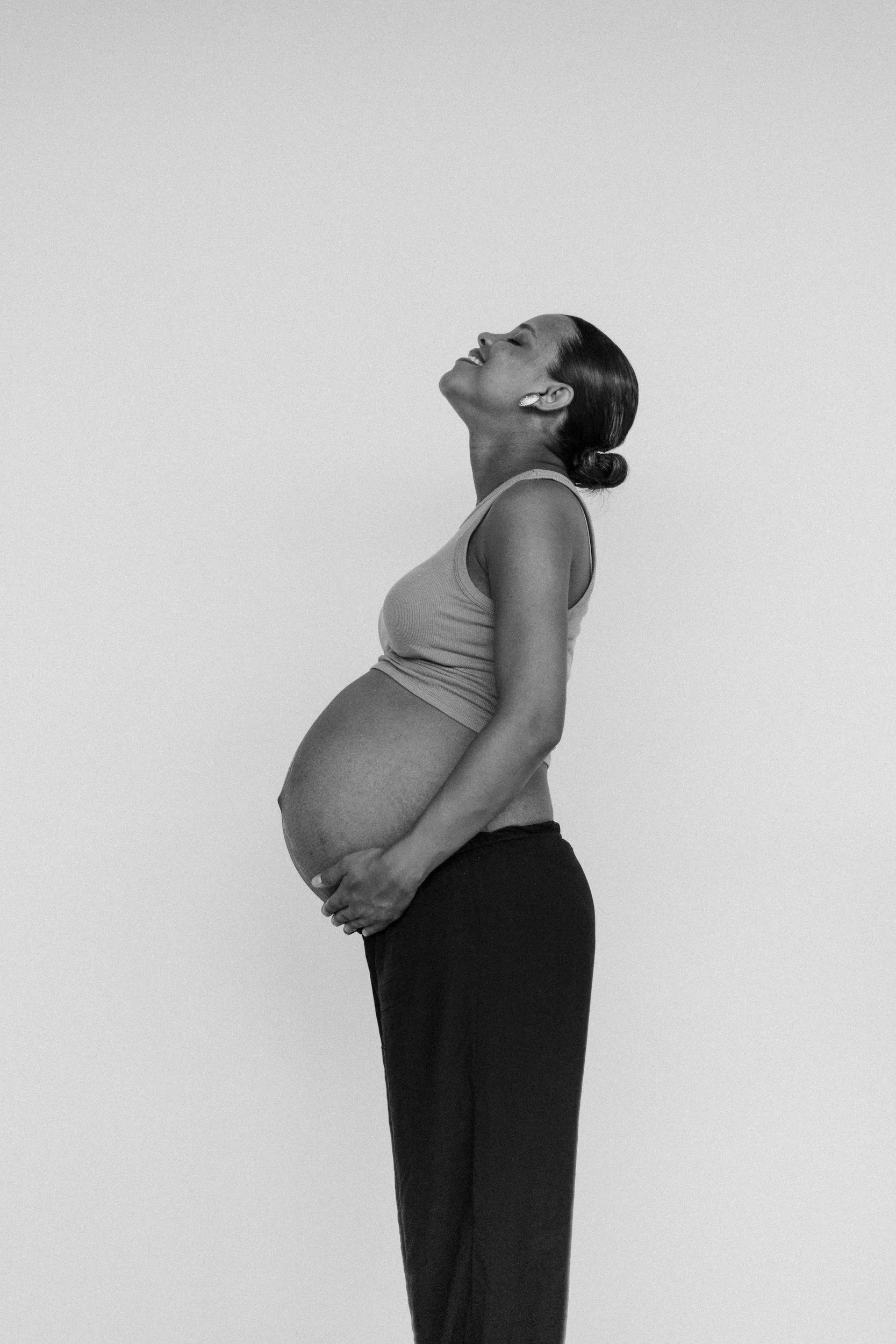
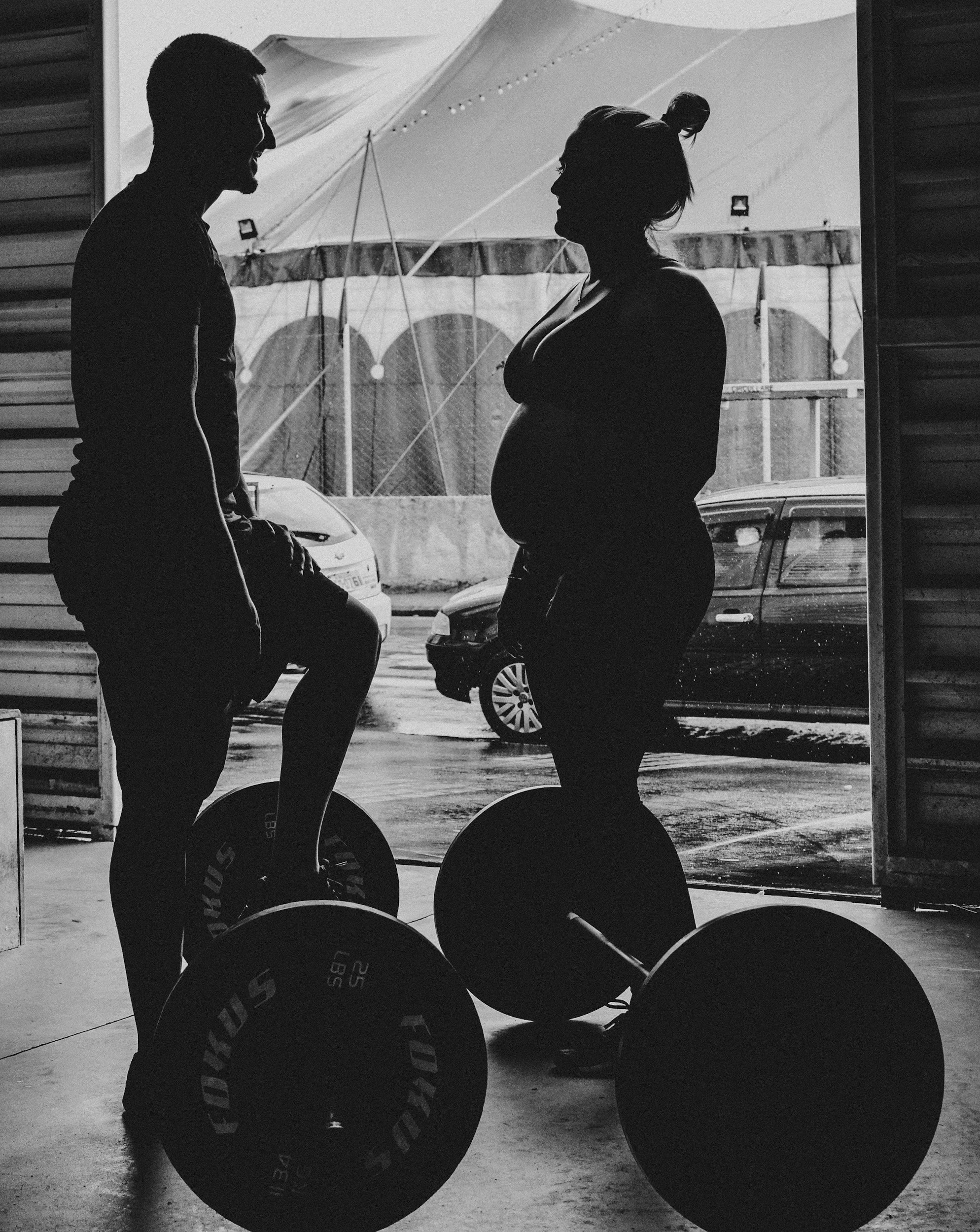
As an osteopath working with women throughout pregnancy and postnatally, I see how remarkably adaptable the body is during motherhood - but also how much it absorbs over time. In the newborn phase, the physical demands can feel obvious. Feeding for hours in the same position. Carrying babies whilst sleep deprived. Rocking, lifting, bending over cots, pushing prams one-handed whilst balancing changing bags and shopping. Many women are recovering from pregnancy and birth whilst simultaneously caring for another human around the clock. But what I often notice in clinic is that for many mothers, the physical strain does not necessarily lessen as children grow - it simply changes form.

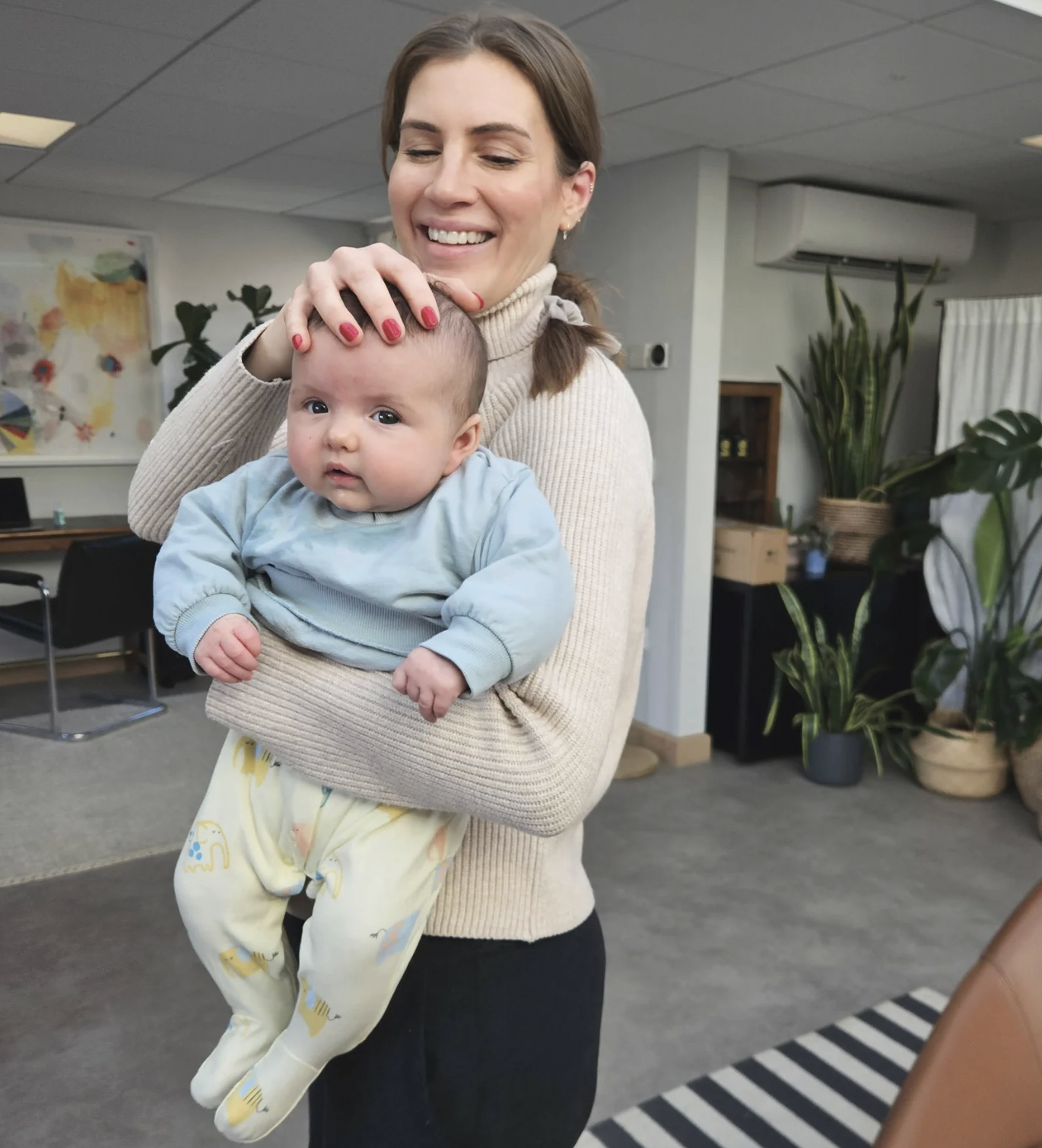
Toddlers become heavier. School bags replace changing bags. Mothers continue carrying children on one hip whilst rushing through busy mornings. They spend years lifting children awkwardly into car seats, carrying sleeping children upstairs, leaning over baths, sitting on floors, standing on the sidelines of sports pitches or sleeping lightly, always half listening for someone else.
Often these movements seem small in isolation, but repeated hundreds of times over months and years, they begin to create patterns of tension and compensation throughout the body. Ironically, many women receive the most support physically during pregnancy and the newborn stage, yet I often see mothers struggling most once the outside world assumes they should be “back to normal.”
Neck and shoulder tension from feeding or carrying is incredibly common. Rib tightness from shallow breathing and prolonged sitting. Lower back discomfort from asymmetrical lifting. Jaw tension and headaches linked to stress, fatigue and interrupted sleep. Sometimes women come into clinic convinced they simply need to improve their posture or strengthen their core more, when actually their bodies are asking for support, recovery and a chance to reset.


I remember one mother in clinic telling me she felt physically stronger before she had children, despite exercising more now than she ever had previously. What she was really describing was not weakness, but cumulative fatigue. Her body had spent years adapting, compensating and continuing without genuine recovery. Modern motherhood rarely allows complete rest. Even when sitting down, many mothers remain physically braced - feeding, soothing, listening, anticipating somebody else’s needs. The nervous system can become so used to functioning in a heightened state that tension begins to feel normal.
I think many mothers also become disconnected from their own bodies during this period. There is often so much focus on everyone else’s needs that women stop noticing their own discomfort until symptoms become difficult to ignore. Sometimes it is not until children become slightly older, life slows marginally, or they finally have a moment to themselves that the body catches up and asks for attention. There can also be pressure for mothers to minimise what they are carrying physically. To keep going. To feel grateful. To put themselves at the bottom of the list.
The good news is that supporting your body does not have to mean finding hours of spare time. Often the most meaningful changes are small ones: changing positions regularly when feeding or working, taking a few deeper breaths throughout the day, building gentle movement back into your routine, accepting help when it is offered, and paying attention to symptoms rather than pushing through them. In clinic, I often remind mothers that they deserve the same care and compassion they so freely give to everyone else. Looking after your own body is not indulgent; it is an investment in your ability to keep doing all the things you want and need to do. We talk a lot about the mental load of motherhood, and rightly so. But perhaps it is time we also recognised the physical load. Because whilst mothers are remarkably resilient, strength should not be measured by how much discomfort we can ignore.
Sometimes the first step towards feeling better is simply recognising that the body has been working hard all along - and that it deserves support too.